
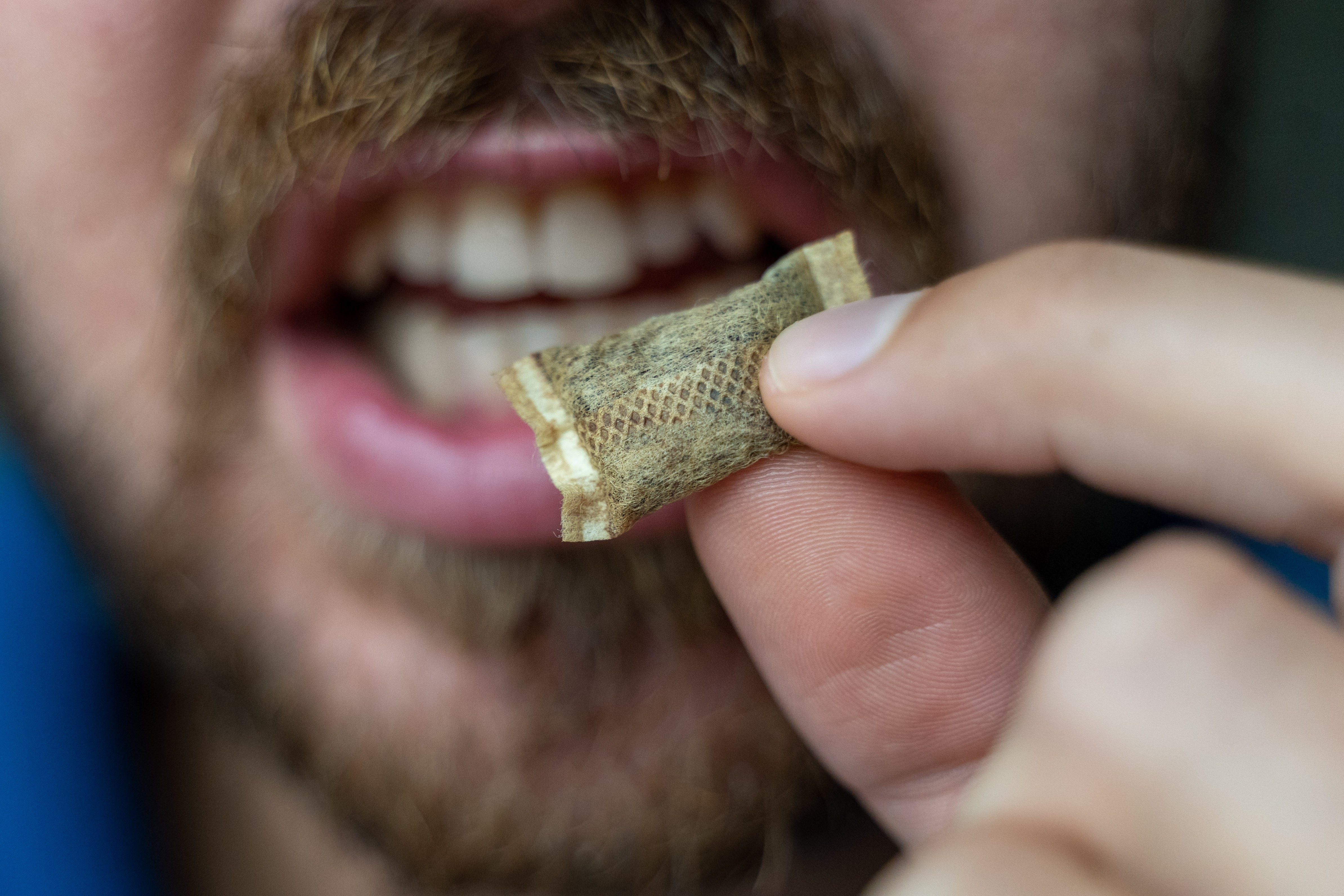
Chewing tobacco or snus refers to a tobacco product intended for oral consumption that differs in ingredients and usage from chewing and snuff tobacco. In its country of origin, Sweden, snus is now more popular than cigarettes, and with the legalization of its sale in Switzerland, it is becoming increasingly popular in other European countries, with the number of users rising.
Of course, the best option would be if you never want to start using nicotine at all. However, if you want to switch from smoking to chewing tobacco, for example, a few tips should be considered during the first use. Since it is a product containing nicotine, it should not be used carelessly. Therefore, we want to introduce you to some steps for proper chewing tobacco use and explain what you should keep in mind when using chewing tobacco and which products are suitable for first-time use.
What is chewing tobacco or snus?
Chewing tobacco has existed for decades and is still traditionally made from ground tobacco, salt, water, and various flavors. Initially, the product was sold loose in metal tins, and to this day, one of the oldest chewing tobacco brands, Ettan, still produces its products this way.
For easier use, chewing tobacco was later packaged in cellulose pouches. At first, portioned chewing tobacco was only available as Original Portion, which is moist. Later, drier variants called White Portion and White Dry Portion came onto the market before the practical nicotine pouches, also called All White Snus, were introduced in 2016 with the brand EPOK. These nicotine pouches have now even replaced tobacco with cellulose as the filler, so these white snus products have a reduced harm potential as they contain no tobacco at all.
Starting with chewing tobacco: Which type is best?
The strength of chewing tobacco depends on various factors, including, of course, the nicotine content. If you are switching from cigarettes to chewing tobacco, you should choose a brand that is not too strong, as the nicotine content can sometimes be higher than in cigarettes.
You can find out the nicotine content either on the tin or online. Chewing tobacco varieties are classified with different strength scales depending on the manufacturer, which makes comparison somewhat difficult – that’s why we have introduced an objective strength scale for each product on snushus.eu, allowing comparison across different brands. There are a few other factors to consider besides pure nicotine content: the wetter the chewing tobacco and the higher the pH value, the more nicotine is absorbed by the body. Therefore, we recommend paying attention to the comparative strength information on the product pages of our website.
Using chewing tobacco: How do I best use chewing tobacco?
Unlike snuff tobacco, chewing tobacco does not need to be shaken before use, so you can simply take a pouch of chewing tobacco from the tin. Then you can place the chewing tobacco under one side of your upper lip. Since chewing tobacco increases saliva flow, you can dry your upper lip a bit before use.
Unlike chewing tobacco, chewing tobacco is not chewed or immediately spat out. Most users keep the product in their mouth for about 20 minutes up to an hour. The effect of nicotine begins after just a few minutes. If you have chosen a moist variety, a juice from the tobacco will form in your mouth. This should not be swallowed but spat out. The White Dry Portion drips less and is often preferred by chewing tobacco users.
How much chewing tobacco can I use?
When you want to stop using chewing tobacco depends entirely on your preferences. The product will lose its flavor after about half an hour to an hour and should then be spat out. As with cigarettes, no exact upper limit for chewing tobacco use can be set, but you should enjoy the product in moderation. If you want to reduce your chewing tobacco consumption, nicotine-free variants like the CBD chewing tobacco from edel can also help.
Since chewing tobacco contains nicotine, it can be addictive and carry health risks. One of the most common chewing tobacco damages is irritation of the gums and tooth discoloration. If you notice burning in your mouth or gum recession, you should reduce consumption or choose less strong varieties. If you need help quitting chewing tobacco, you are welcome to contact us via the contact form.
